
Your furnace and gas appliances work hardest from November to March, and that’s when a breakdown is most uncomfortable, and sometimes most dangerous. This checklist covers what to do before the cold arrives, what to keep an eye on through the winter, and how to leave your home safely if you travel. Most of it takes a few minutes and no tools.
1. Book a furnace tune-up before the first cold snap
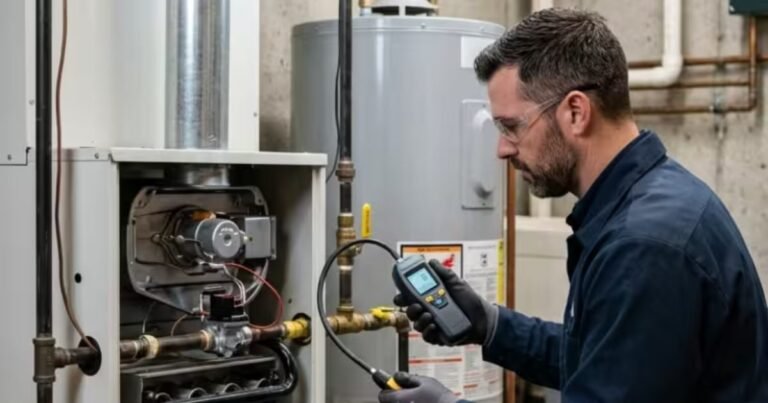
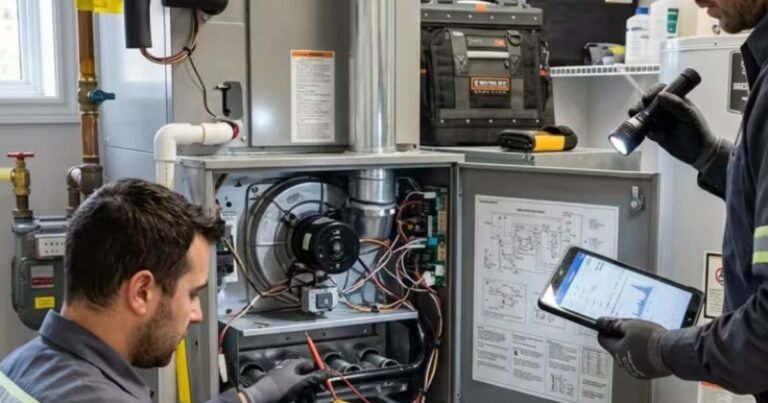
A yearly inspection by a licensed gas technician is the single best way to avoid a mid-winter breakdown. TSSA and equipment manufacturers recommend having fuel-burning appliances checked once a year, and many warranties depend on it. A typical furnace tune-up includes:
- checking the burners, ignition system and flame sensor
- inspecting the heat exchanger and venting for cracks, corrosion or blockages
- checking gas pressure and testing for leaks at the furnace connections
- testing safety controls and checking combustion
- clearing the condensate drain on high-efficiency furnaces
- checking the blower, filter and airflow
Booking in early fall avoids the rush that comes with the first cold week.
2. Your own fall checklist
- Test the heat early. Switch the thermostat to Heat on a cool fall day, before you really need it. If something’s wrong, you’ll find out while there’s time to fix it.
- Change the furnace filter. Then check it monthly through the winter. A clogged filter is one of the most common causes of poor heating and furnace shutdowns.
- Replace thermostat batteries, and check the schedule if you have a programmable or smart thermostat.
- Test your carbon monoxide and smoke alarms. The Ontario Fire Code requires a working CO alarm next to each sleeping area in homes with a fuel-burning appliance, a fireplace or an attached garage. Replace any alarm that’s past the end-of-life date printed on it.
- Clear the area around the furnace and water heater. Keep boxes, paint, cleaning products and laundry well away. Appliances need air to burn fuel safely.
- Open and clear vents and return grilles. Furniture, rugs and curtains over vents cause cold rooms and make the furnace work harder.
- Get your humidifier ready. If your furnace has one, replace the water panel and turn it back on. Indoor air gets very dry in an Ontario winter. Don’t have one? See whole-home humidifier installation.
- Check gas fireplaces. Have them inspected along with the furnace, and keep the glass and vents clear.
3. Outside: vents and the gas meter
High-efficiency furnaces and many water heaters vent through plastic pipes on an outside wall. If snow, ice or leaves block them, the appliance shuts down, and a blocked exhaust can be a carbon monoxide risk.
- Know where your intake and exhaust pipes are, and check them after every snowstorm or freezing rain.
- Keep your gas meter and regulator clear of snow and ice. Brush snow away gently by hand or with a broom; never kick, chip or shovel against the meter.
- Don’t pile snow from your driveway against the house where the vents and meter are.
4. Warning signs to watch for during the winter
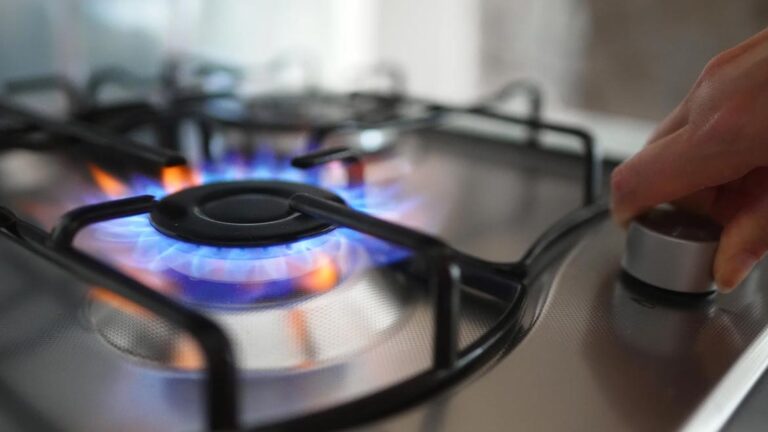
- a yellow or flickering burner flame (it should be mostly blue), or soot around the furnace or fireplace
- the furnace turning on and off every few minutes, or blowing cold air
- banging, squealing or rattling, especially when it starts
- water pooling around the furnace
- rooms that are much colder than they used to be, or heating bills that jump for no clear reason
If your heat stops, our furnace not working checklist lists the safe things to try first. If they don’t fix it, book a furnace repair before the house gets cold.
5. Gas safety basics
- If you smell gas (a rotten-egg smell), leave right away, don’t use light switches or phones inside, and call 911 or Enbridge Gas’s emergency line once you’re outside.
- If a CO alarm sounds or anyone has headaches, nausea or dizziness that ease outdoors, get everyone out and call 911.
- Never heat your home with an oven, BBQ or outdoor patio heater.
- If an appliance is red tagged, don’t use it or remove the tag. Our red tag guide explains the next steps.
For more on who can legally do gas work in Ontario and how to check a contractor, see our Ontario gas safety guide.
6. Leaving home for a winter trip
A furnace that stops while you’re away can lead to frozen and burst pipes. Before you go:
- Keep the heat on. Turn it down to save energy, but don’t turn it off, and don’t set it so low that pipes on outside walls could freeze. A setting in the mid-teens °C is a common choice.
- Ask someone to check on your home every few days, especially during a cold snap, and give them our number in case the heat stops. A smart thermostat that sends temperature alerts to your phone also helps.
- Put your water heater on “vacation” mode, if it has one, to save energy while you’re away.
- Consider shutting off the main water valve for longer trips, so a burst pipe can’t flood the house.
- Unplug electronics you won’t need, and put a few lights on timers.
- Clear outside vents and arrange snow clearing if you’ll be gone during the snowy months.
If your furnace has been unreliable, have it checked before you leave rather than risk a breakdown in an empty house.
7. Is it time for a new furnace?
It’s worth thinking about replacement if your furnace is older and needing repairs more often, if heating bills keep rising, or if a technician finds a serious problem such as a cracked heat exchanger. A new high-efficiency furnace can be more comfortable and cheaper to run. We install Lennox, York, Armstrong and Continental furnaces. See furnace installation and replacement.
Get your home ready for winter
Extel Gas Services Inc. is a TSSA-registered gas contractor (#000308361) serving Scarborough, Toronto, Markham, Pickering, Ajax and Whitby. Book a tune-up or repair by calling (416) 849-7997; our emergency line is answered 24/7. You can also request service online.